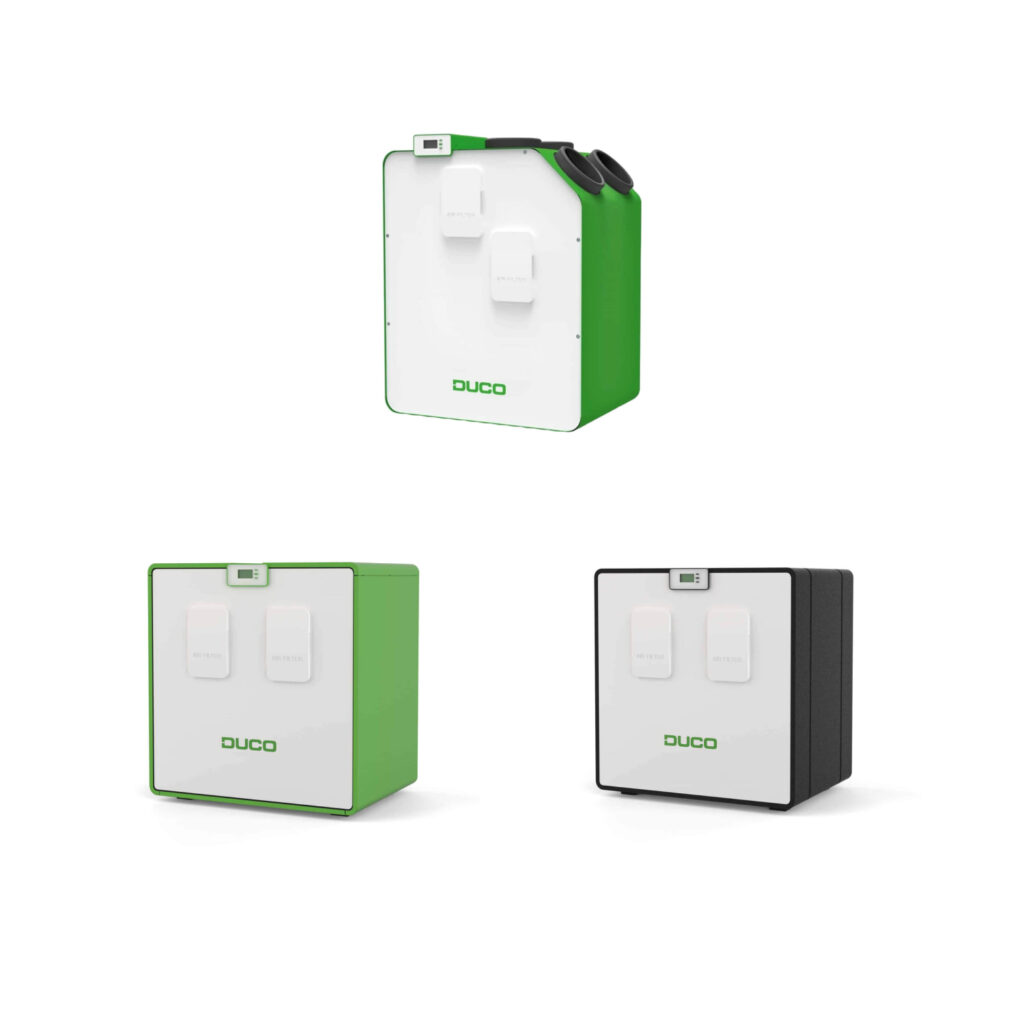
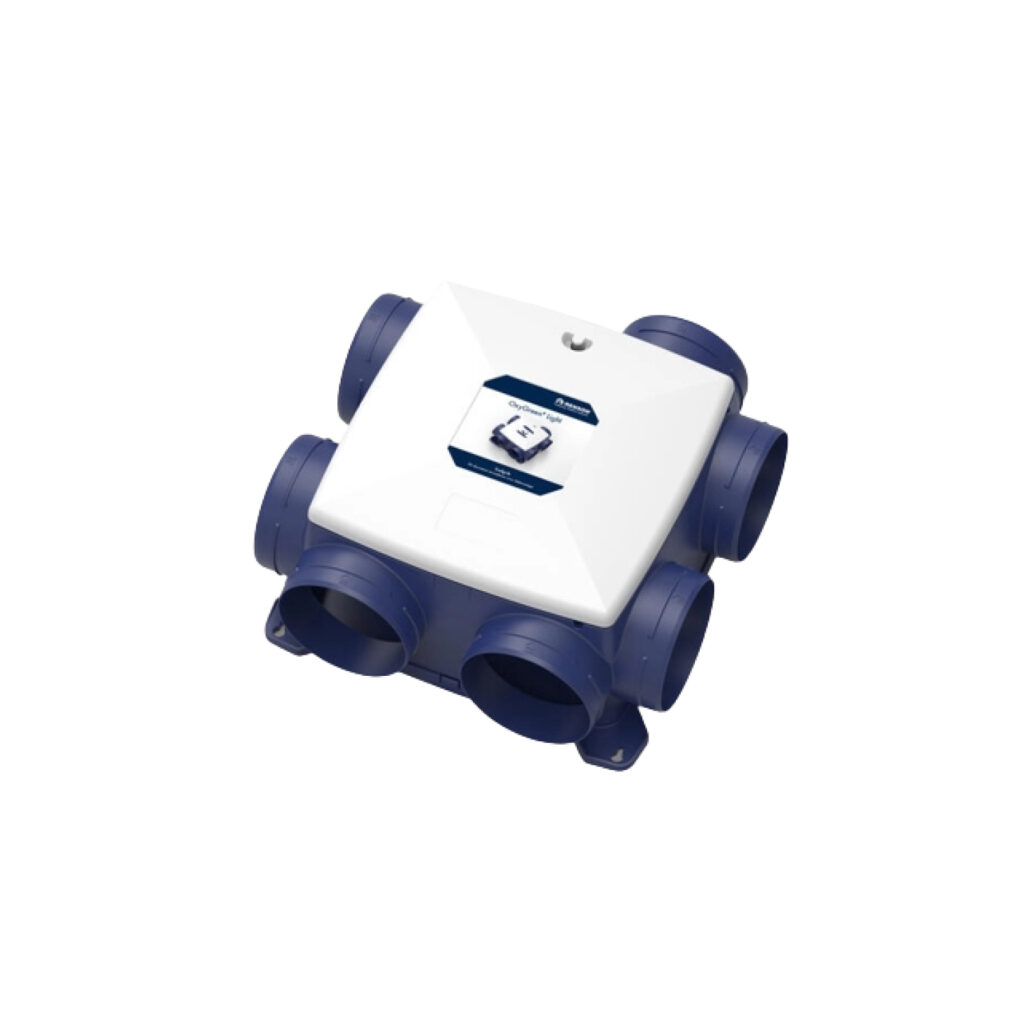
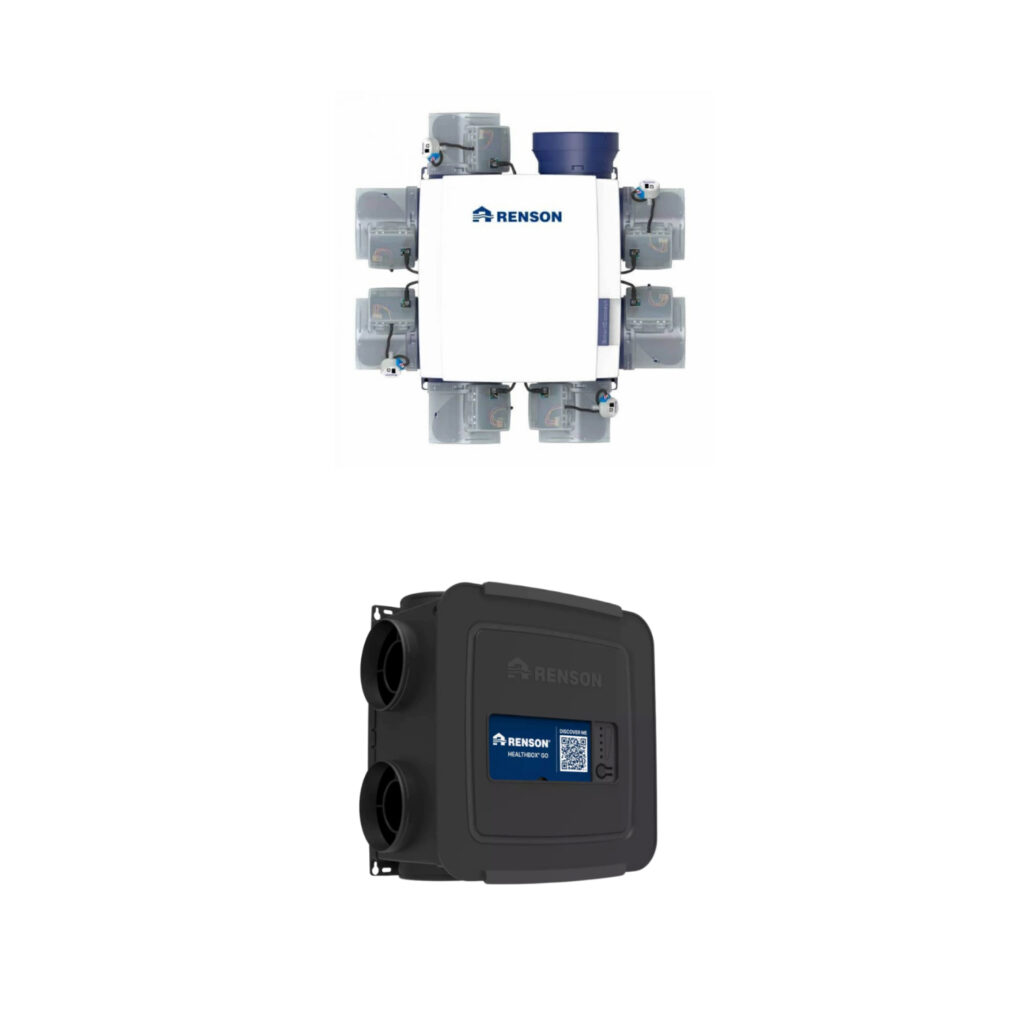
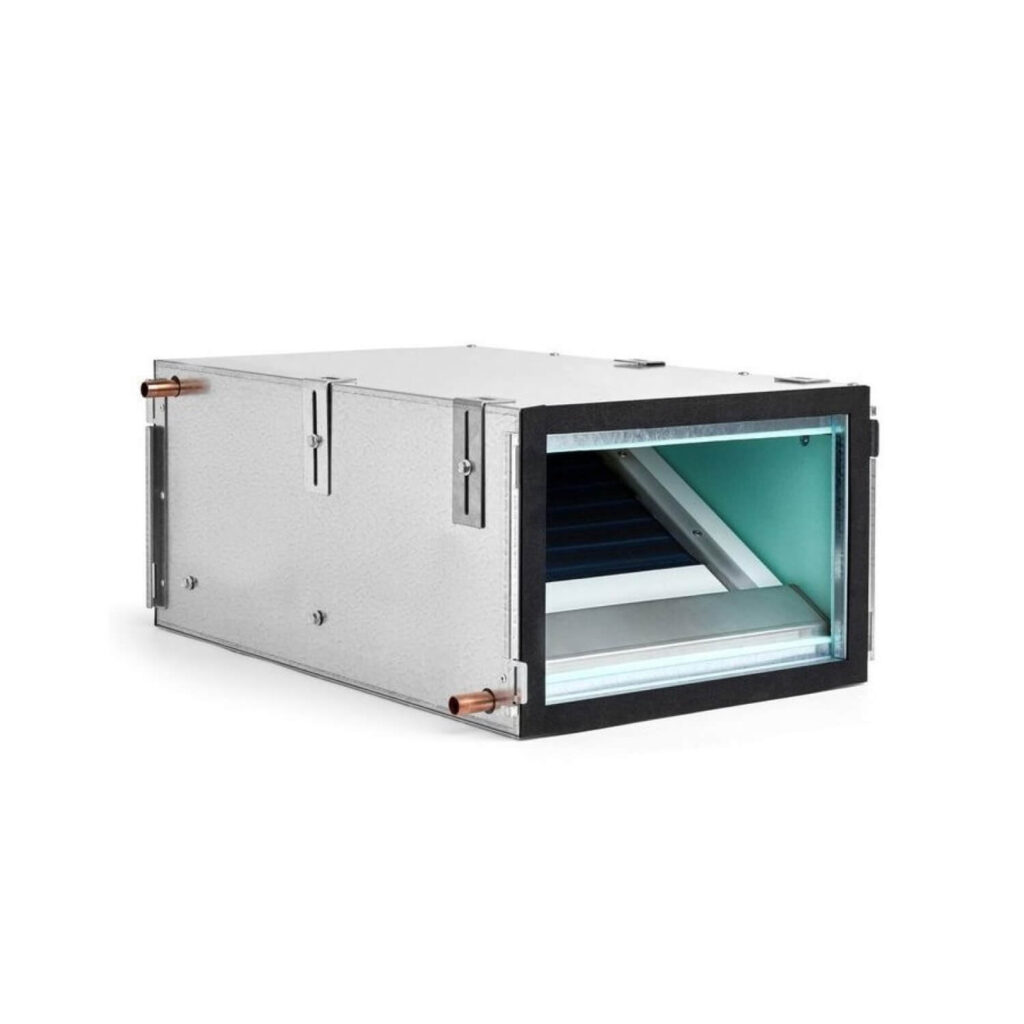
ISDE ventilation subsidy 2026: what does this mean for your HRV unit?
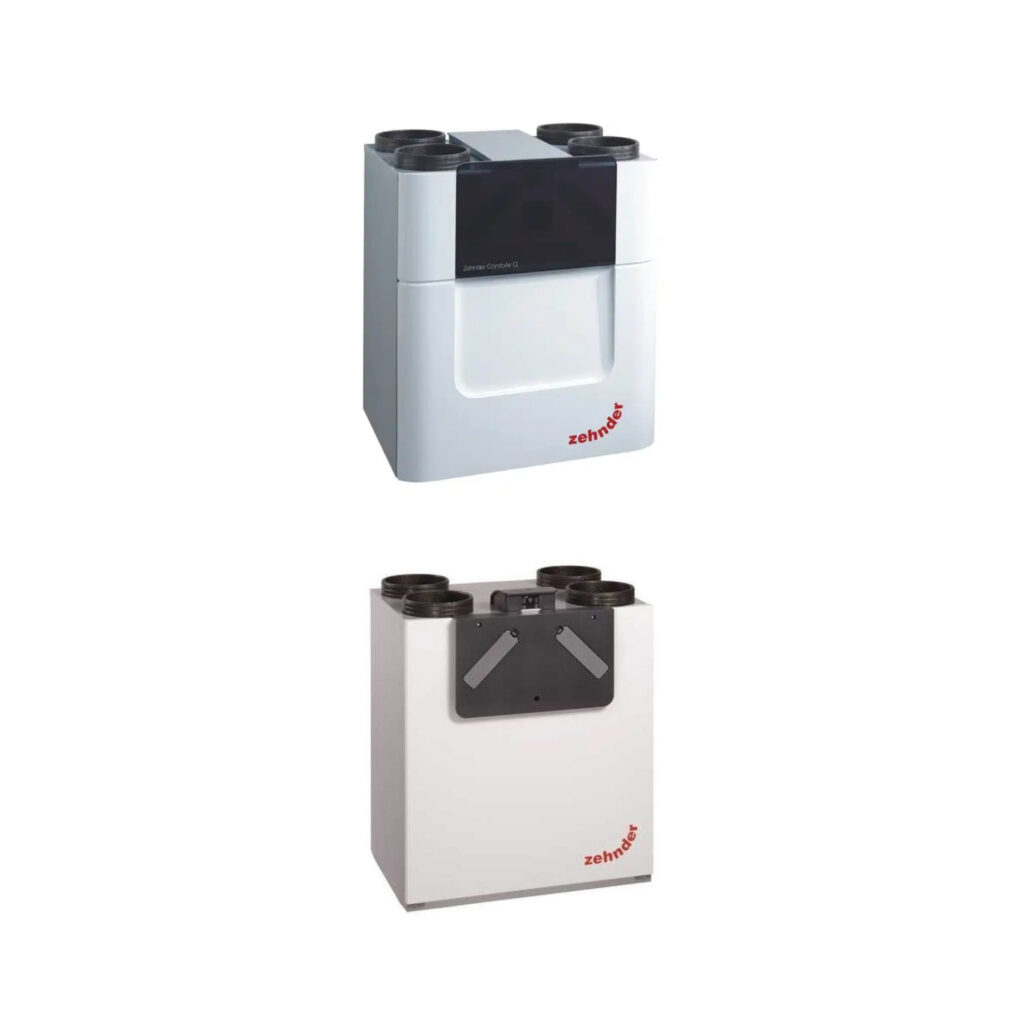
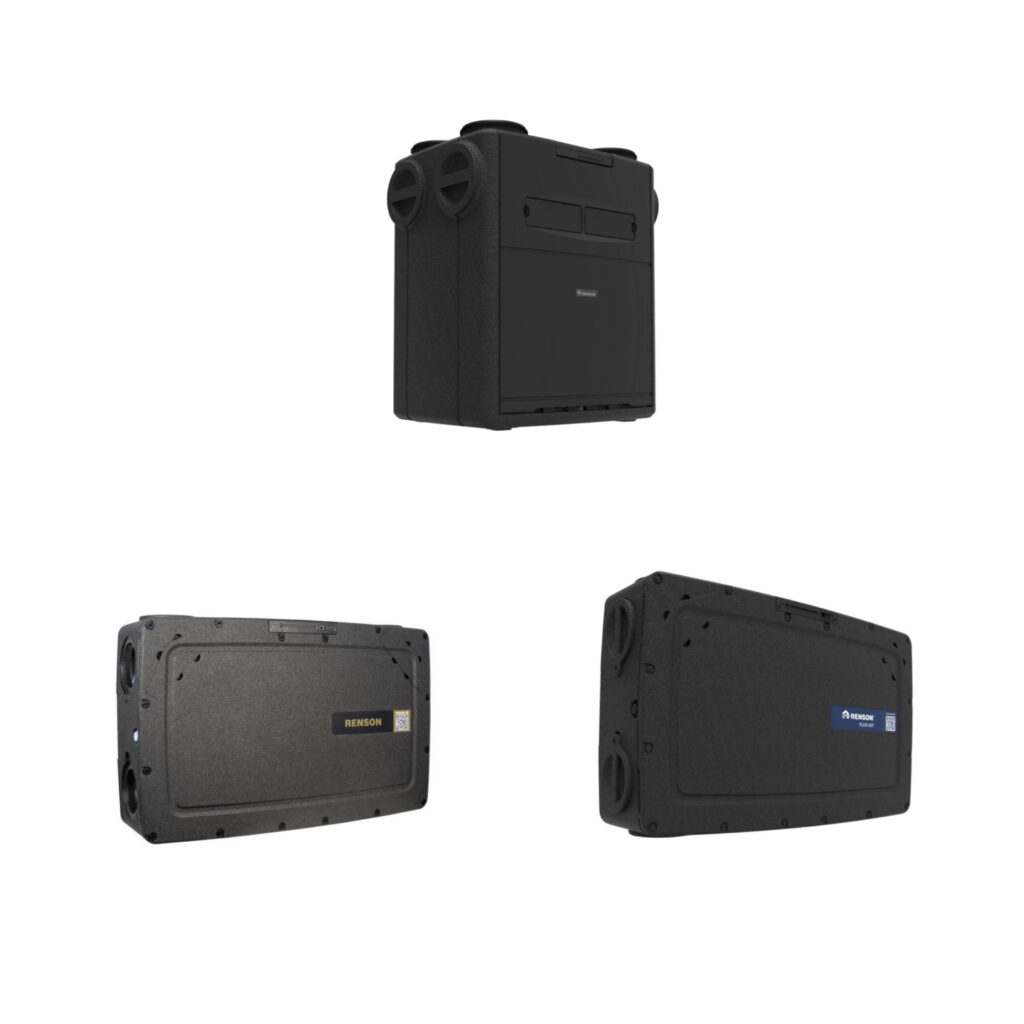
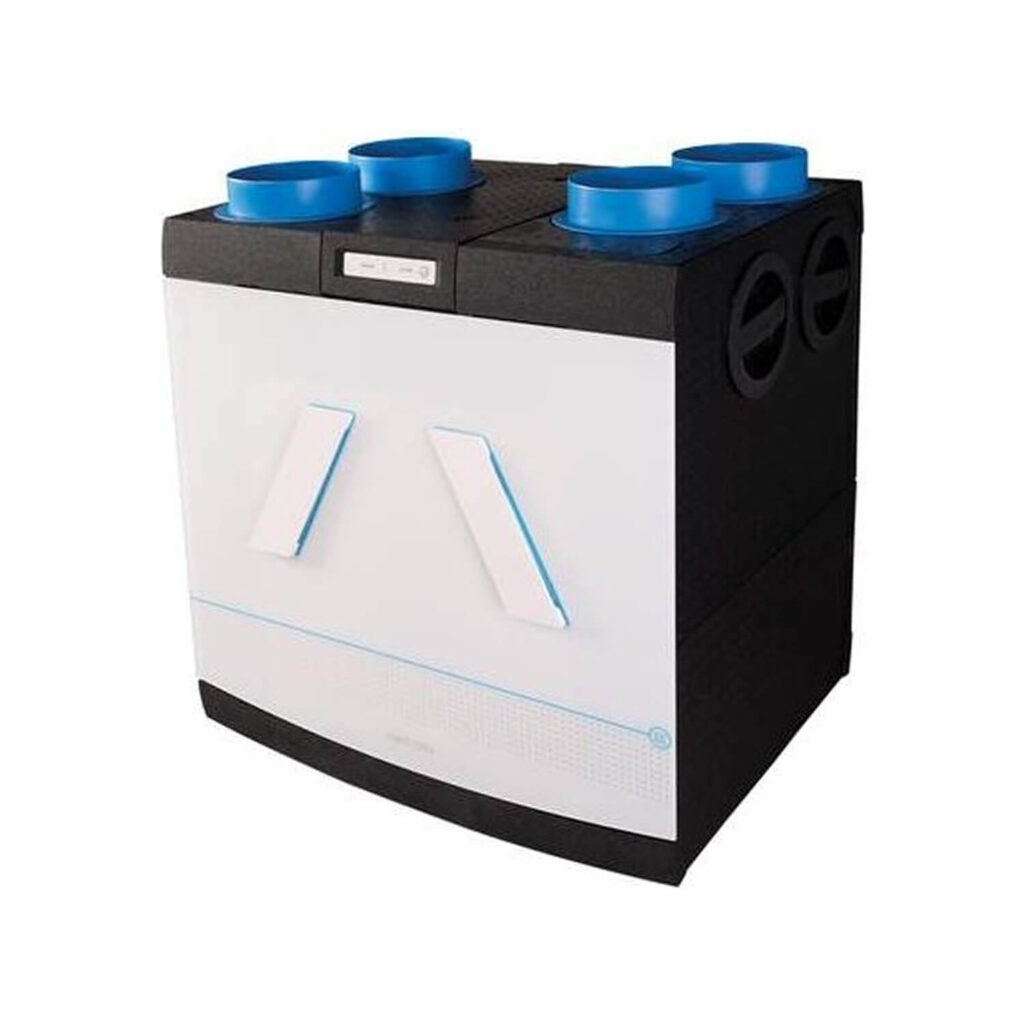
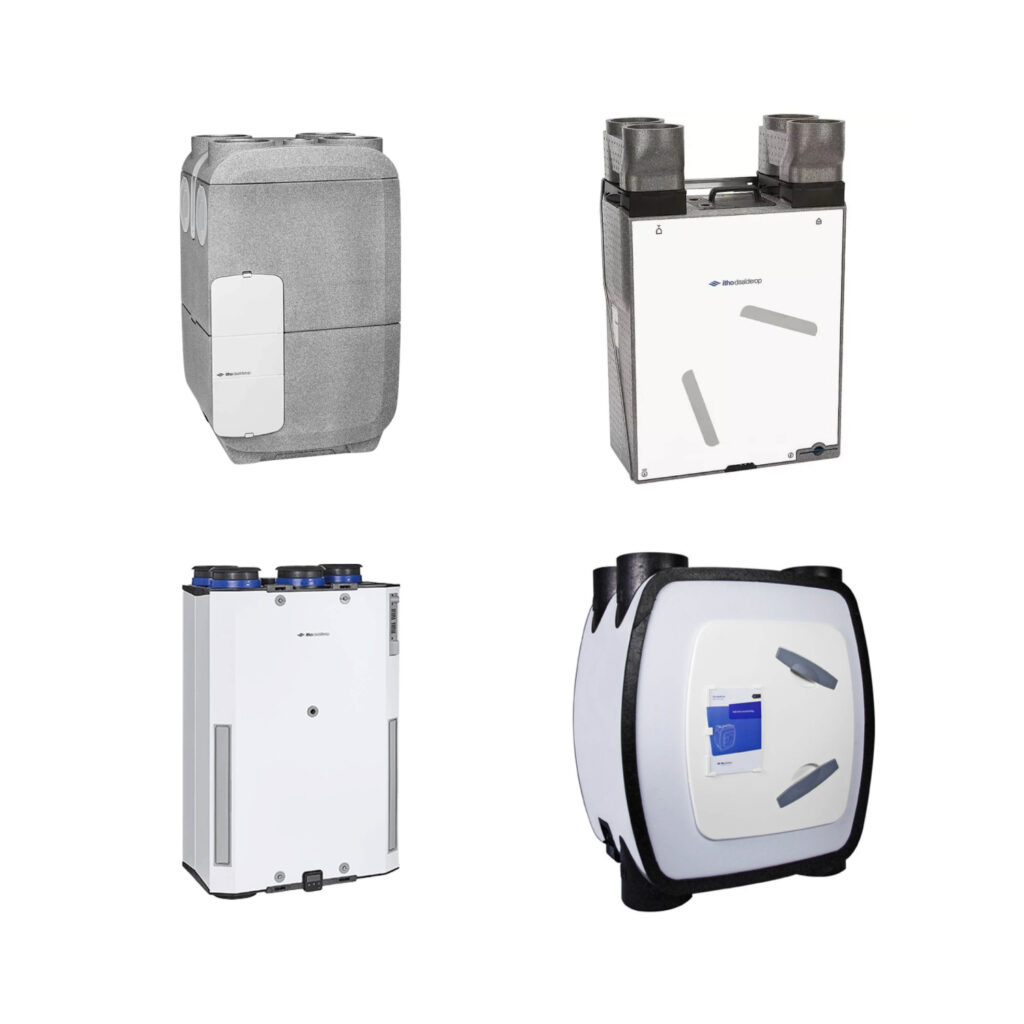
From 2026, energy-efficient ventilation is expected to be included in the ISDE scheme. This can deliver a nice saving when installing a suitable WTW/HRV unit or a demand-controlled MV unit (MV-box). Below you can quickly see whether your situation “matches” and which steps make the most sense.
Primarily for owners of existing homes (always check the final ISDE conditions).
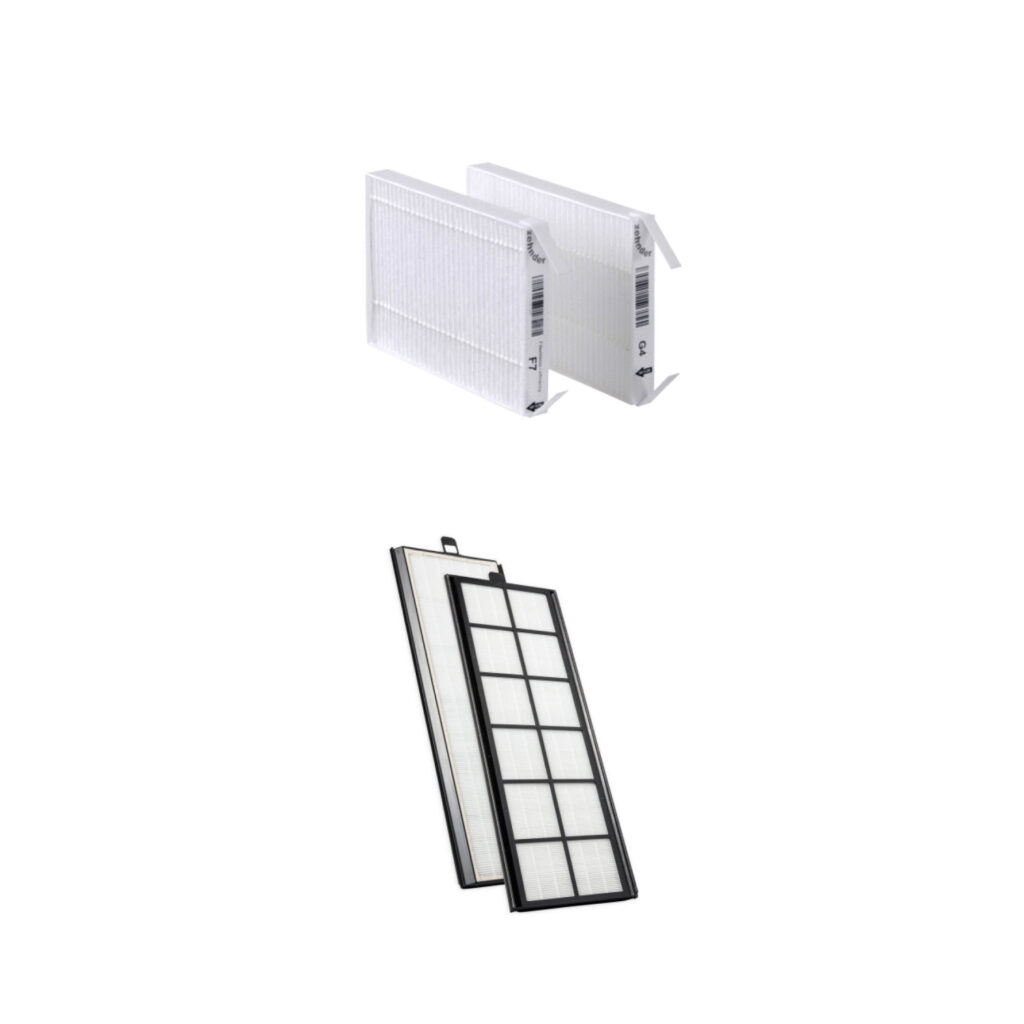
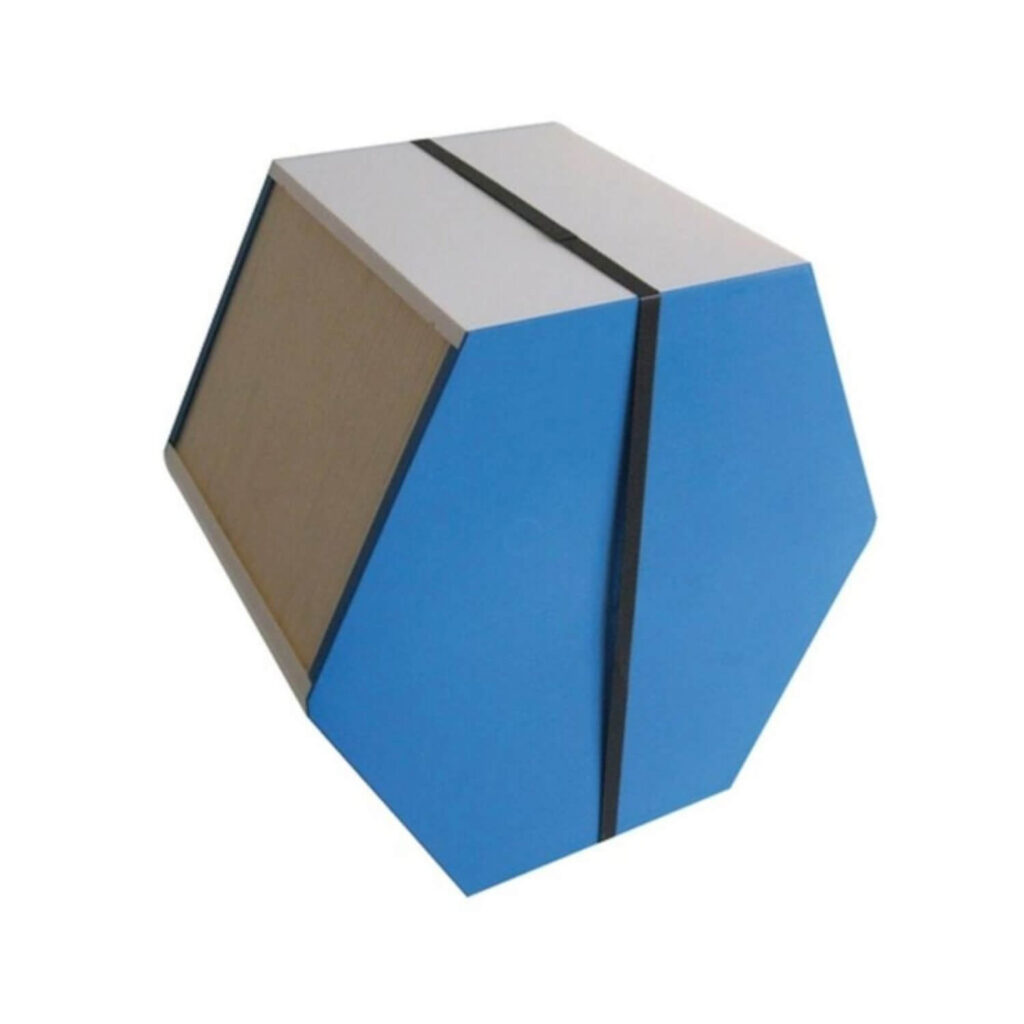
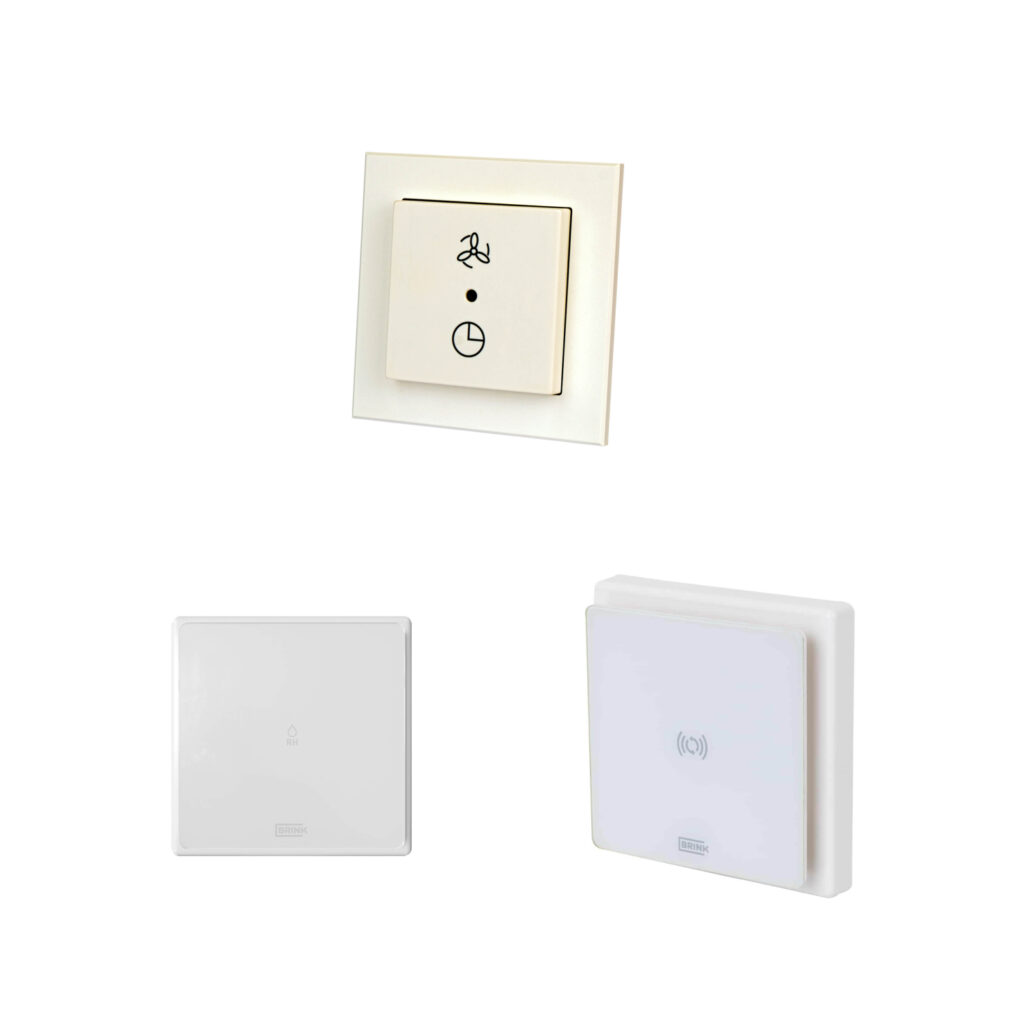
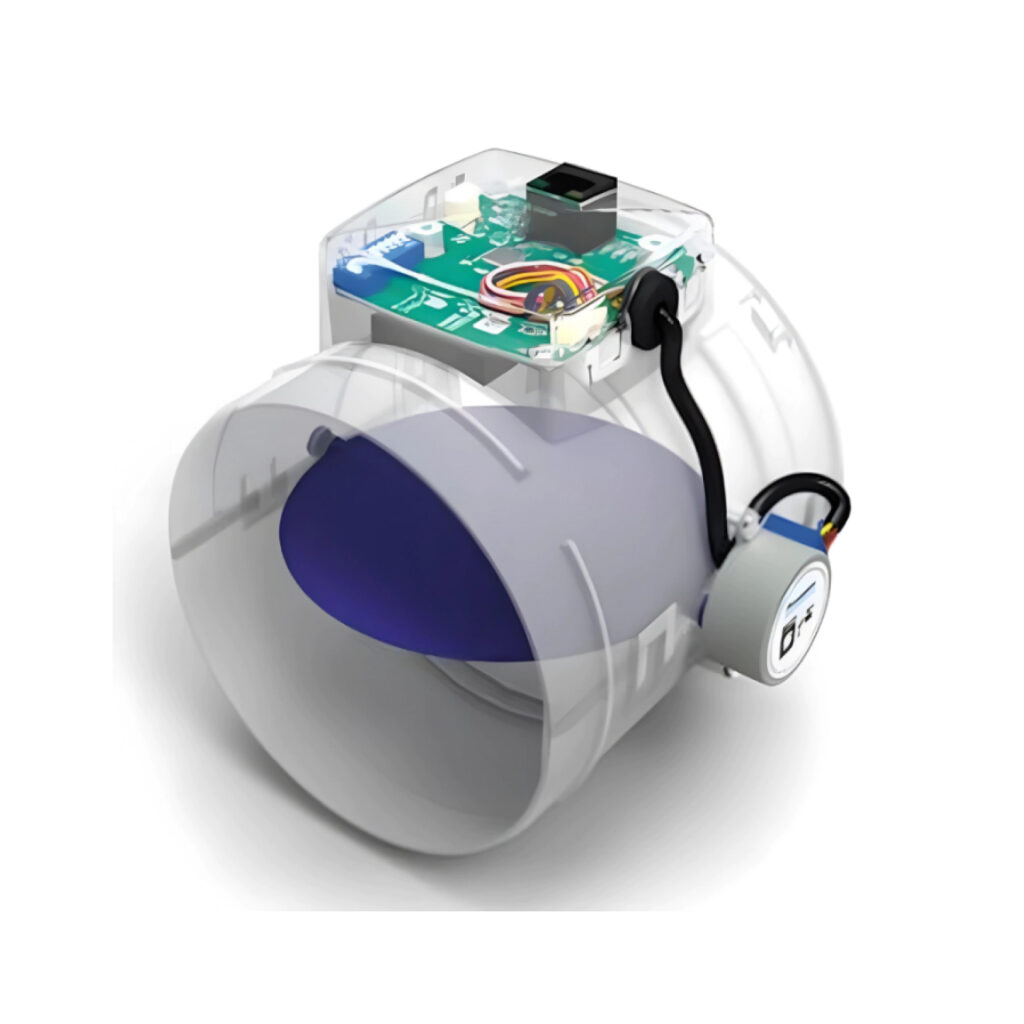
WTW/HRV (balanced ventilation with heat recovery) and MV units with sensors.
In most cases, an installation invoice from a certified installer is required.
If your product is on the official code list, applications are often processed faster.
Please note: this page is intended as a practical overview. Final requirements/amounts will be published via RVO / the Government Gazette.
In 30 seconds: do I likely qualify?
Answer these 4 questions. The more often “yes”, the higher the chance it fits within the scheme.
ISDE usually focuses on making existing homes more sustainable.
Often at least one insulation measure is required (roof/floor/walls/glazing/ground).
An installation invoice is usually an important proof document.
The start date is generally linked to the installation date.
Key figures (indicative)
A short summary of commonly mentioned thresholds. Always check the final RVO conditions.
What is the ISDE subsidy for ventilation (2026)?
ISDE is een landelijke regeling die verduurzaming stimuleert. Vanaf 2026 komt energiezuinige ventilatie naar verwachting als categorie erbij. Concreet gaat het om systemen die slim ventileren en/of warmte terugwinnen, waardoor je binnenklimaat verbetert en warmteverlies afneemt.
A subsidy amount of around €400 can lower the threshold to choose a more efficient ventilation system.
Demand-controlled ventilation helps keep CO₂ and humidity under control, without running “hard” unnecessarily.
With a WTW/HRV unit, a large part of the heat is retained through heat recovery.
Conditions (practical overview)
Below is a quick checklist that is often mentioned. See it as preparation — the final requirements will be published via RVO / the Government Gazette.
-
Combination with insulation
Ventilation usually only counts if you also carry out at least one insulation measure that falls under ISDE.
-
Installation by a certified installer
In many cases the installation invoice is decisive; simply buying the unit on its own is usually not enough for the application.
-
Installation date from 2026
The purchase can sometimes be earlier, but the installation generally needs to take place in (or after) 2026.
-
Supporting documents
Think of an installation invoice, proof of payment (bank), and sometimes photos and product documentation.
-
1× per home (expected)
It’s often stated you can’t “stack” applications, so only one system per home would qualify.

Subsidie gaat naar verwachting alleen over energiezuinige systemen met duidelijke specificaties (capaciteit, rendement, sensoren). Een “handmatige” mv-box zonder CO₂/vochtsensoren valt doorgaans buiten de regeling.
FAQ
Yes. Many homeowners buy the unit themselves and then have it installed by a certified installer. For the application, an installation invoice is usually important.
Often the installation date is what matters. The unit may have been purchased earlier, as long as the installation falls within the correct period (check the final conditions).
It is usually stated that ventilation only counts in combination with at least one insulation measure that also falls under ISDE.
 English (UK)
  Nederlands